Comprehensive School
Health Screening Initiative
Advancing Child Health, Nutrition & Learning Outcomes through Preventive
School-Based Screening
Project Location: Koraput, Ganjam & Angul, Odisha
In Partnership With
About the Initiative
The Comprehensive School Health Screening Initiative is a large-scale preventive child health programme designed to address anemia, malnutrition, and hidden health risks among school-going children across Odisha.
The initiative combines non-invasive hemoglobin screening, BMI-based growth monitoring, and digital health intelligence to create a child-friendly, technology-enabled school health ecosystem.
Implemented across Koraput, Ganjam, and Angul districts, the programme aims to improve early diagnosis, strengthen referral systems, and support better educational and developmental outcomes for children aged 6–18 years.
The initiative aligns with the broader vision of strengthening preventive healthcare systems and improving long-term human capital development in vulnerable communities across Odisha.
Our Vision
To create healthier learning environments by ensuring every child has access to early health screening, nutritional assessment, and timely preventive care.
Why This Initiative Matters
Anemia and malnutrition continue to affect millions of children across India, significantly impacting:
Physical
Growth
Cognitive Development
Learning Outcomes
School Attendance
Long-term Productivity
In Odisha, tribal, rural, migrant, and industrially vulnerable communities continue to experience high rates of hidden anemia and nutritional deficiencies among children and adolescents.
Early
Detection
School-based Screening
Digital
Monitoring
Structured Referral Pathways
Data-driven Health Planning
Key Project Objectives
Early Detection of Anemia
- Identify mild, moderate, and severe anemia among school-going children
- Enable timely medical intervention and nutritional support
- Reduce long-term health complications
Growth & Nutrition Monitoring
- Assess BMI and growth indicators
- Detect undernutrition, stunting, and unhealthy weight trends
- Establish district-level nutritional baselines
School-Based Preventive Healthcare
- Deliver painless, non-invasive screening directly in schools
- Ensure high participation with minimal academic disruption
- Promote preventive health awareness
Digital Health Intelligence
- Generate anonymized digital child health records
- Enable real-time monitoring and referral tracking
- Support evidence-based CSR and public health planning
Project Coverage
Special Focus Areas
- Tribal Communities
- Rural & Remote Regions
- Coastal & Migrant Populations
- Industrial & Mining-Affected Settlements
Target Beneficiaries
- Approximately 50,000 school-going children
- Age Group: 6–18 Years
- Government & Government-Aided Schools
Target Districts
- Koraput
- Ganjam
- Angul
School Coverage
Schools across the three districts
Core Components of the Initiative
Non-Invasive Hemoglobin Screening
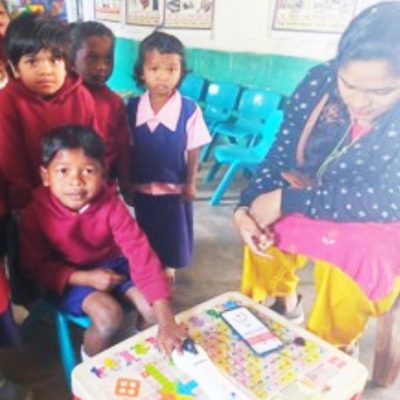
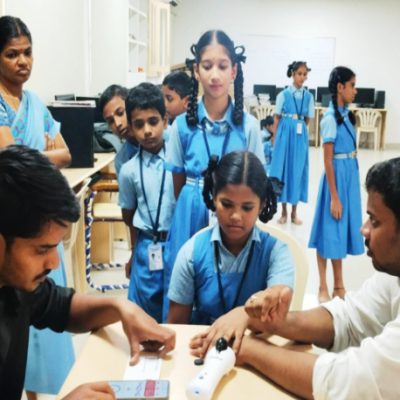
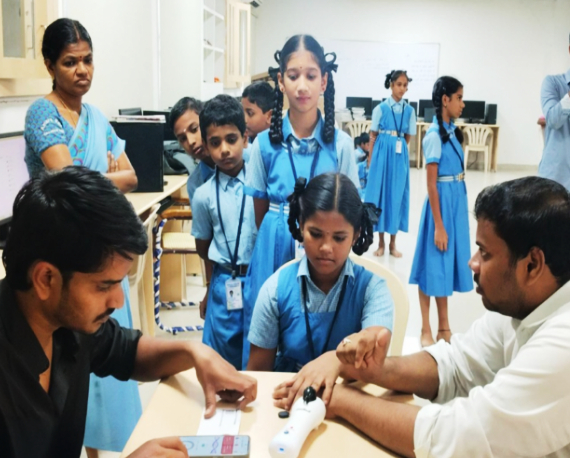
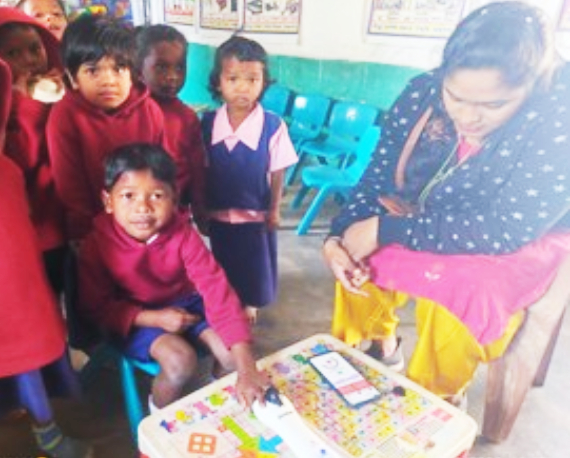
The programme deploys advanced non-invasive hemoglobin screening technology to identify anemia without needles or blood collection.
Key Features
- Pain-free testing
- Child-friendly screening process
- Results within minutes
- Portable field deployment
- High participation and acceptance
Benefits
- Early detection of hidden anemia
- Reduced fear associated with blood testing
- Rapid large-scale screening capability
- Real-time digital reporting
BMI & Growth Monitoring
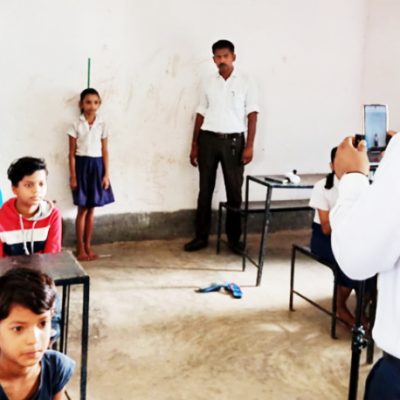
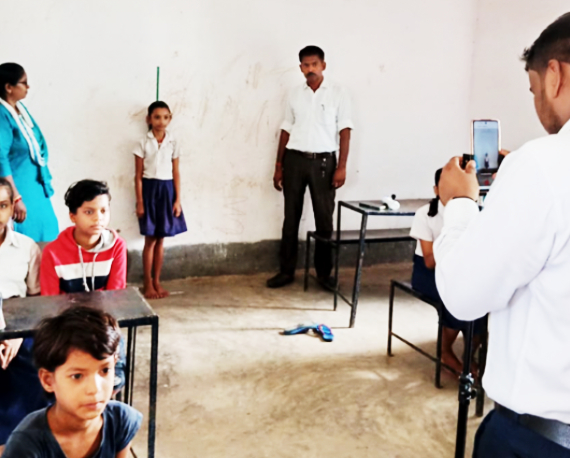
The initiative integrates digital height and weight assessment to evaluate the nutritional and developmental status of children.
Assessments Include
- Body Mass Index (BMI)
- Underweight identification
- Growth faltering detection
- Stunting and wasting assessment
- Emerging overweight trends
Expected Outcomes
- Early identification of nutritional risks
- Better child growth monitoring
- Evidence-based nutrition interventions
Digital Health Intelligence Platform
A centralized digital platform enables real-time monitoring, reporting, and health analytics.
Platform Features
- QR-based student identification
- Geo-tagged screening data
- Automated dashboards
- Referral tracking
- School, block, and district-level analytics
System Advantages
- Transparent monitoring
- Faster decision-making
- Data-driven intervention planning
- Improved accountability and reporting
Referral & Follow-Up System
Children identified with moderate or severe health risks are referred to nearby public healthcare facilities.
Referral Ecosystem
- PHCs and CHCs linkage
- Automated referral generation
- Digital case tracking
- Follow-up monitoring through field teams
Goal
To ensure screening leads to real medical support and treatment outcomes.
Technology-Enabled Preventive Healthcare Model
The initiative follows a modern, scalable preventive healthcare approach by integrating:
School-Based Service Delivery
Portable Health Technologies
Digital Data Systems
Community Engagement
Government Convergence Mechanisms
This transforms traditional health camps into a continuous, accountable, and measurable public health intervention.
Impact at a Glance
Children Screened
Schools Covered
Districts Covered
Awareness Camps
Health Workers Trained
Hb Screening Completion
BMI Assessment Coverage
Outcomes
Health Outcomes
- Early anemia detection
- Improved referral compliance
- Better nutrition monitoring
- Reduction in severe untreated cases
Educational Outcomes
- Improved classroom attentiveness
- Better attendance rates
- Enhanced learning readiness
System Strengthening
- Digitized school health records
- Stronger frontline health capacity
- Real-time health intelligence systems
Long-Term Impact
- Improved child health indicators
- Better human capital development
- Stronger preventive healthcare ecosystem
Glimpses